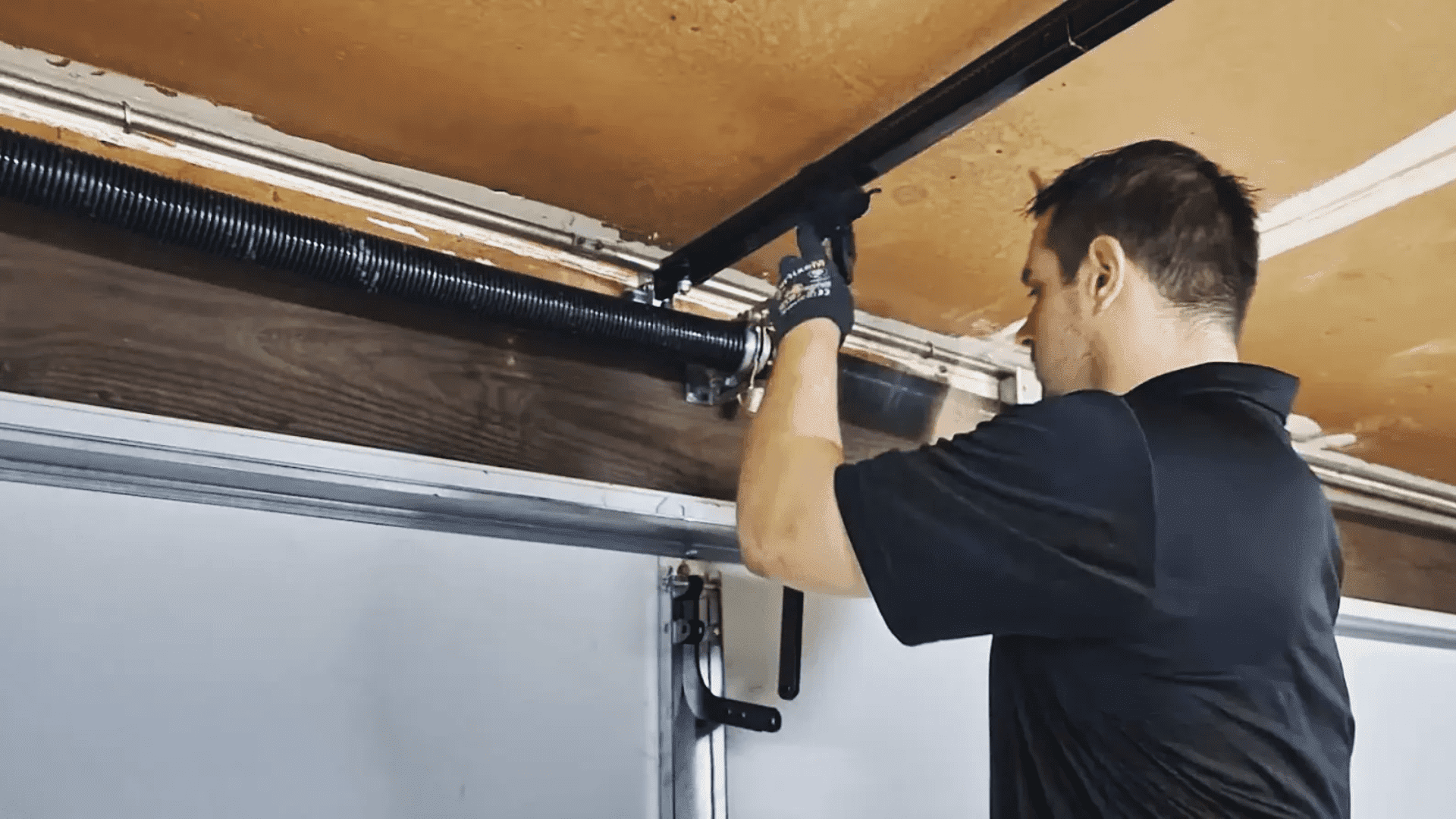
When you need garage door roller repair Milwaukie homeowners trust, catching problems early saves time and money. In fact, worn rollers are one of the top causes of noisy, slow, or stuck garage doors across the Portland metro area.
Rollers guide your door along its tracks every single day. Most doors cycle 3–5 times daily — that’s over 1,500 cycles per year. However, even quality rollers wear down over time, especially in the Pacific Northwest’s damp climate.
Garage Door Roller Repair Milwaukie: 5 Warning Signs You Shouldn’t Ignore
In our experience, when you need professional roller repair, catching problems early saves time and money. Worn rollers are one of the top causes of noisy, slow, or stuck garage doors across the Portland metro area.
Ignoring roller problems doesn’t just cause noise. It puts extra stress on your opener motor, springs, and tracks. As a result, a small roller fix can turn into a much larger garage door repair if left too long.
Watch for these five red flags on your Milwaukie home’s door:
- Grinding or squealing sounds — Metal-on-metal noise during operation is a clear sign rollers are worn or dry.
- Shaking or jerking movement — A smooth door should glide quietly. Stuttering motion points to damaged roller stems or flat spots.
- Visible cracks or chips — Inspect the rollers directly. Cracked nylon or chipped steel means replacement is overdue.
- Door moving slower than usual — Friction from bad rollers forces your opener to work harder.
- Door sitting crooked or off-track — This is urgent. A roller that has jumped the track can cause the door to fall.
Specifically, issues 4 and 5 often signal that other components are also under strain. For example, springs and cables take on extra load when rollers fail. You can learn more about related issues in our guide to garage door repair signs.
According to the U.S. Consumer Product Safety Commission, garage door injuries are among the most common home equipment accidents — making early detection essential.
Don’t wait until your door stops working. Early roller service protects your entire system.
How Garage Door Rollers Work and Why They Fail
It helps to understand what rollers actually do before scheduling any repair. Rollers are small wheels that sit inside the vertical and curved tracks on each side of your door. They guide the door smoothly up and down every time you open or close it.
A standard residential door cycles roughly 10,000–15,000 times over its lifespan, according to the International Door Association. That’s a lot of wear on a small part.
Each roller has two main parts:
- The wheel — rolls along the inside of the metal track
- The stem — connects the wheel to the door’s hinge bracket
Together, they carry the full weight of the door through every cycle. Because of this constant load, even small problems grow fast.
Common Reasons Rollers Fail
Rollers don’t last forever. However, some conditions speed up the breakdown significantly. Here are the most frequent causes:
- Lack of lubrication — Dry rollers create friction, which wears down the wheel fast
- Rust and corrosion — Portland-area humidity accelerates metal fatigue
- Cracked or chipped wheels — Especially common with older plastic rollers
- Bent stems — Often caused by a door that’s out of alignment
- Worn bearings — Steel ball-bearing rollers can seize when bearings fail
For instance, plastic rollers typically last 3–5 years, while nylon rollers with sealed bearings can last 10–12 years under normal use. The difference is significant.
Also worth noting: a damaged roller doesn’t just affect itself. It puts extra stress on the track, the springs, and even the opener motor. Regular garage door maintenance can catch worn rollers before they cause bigger damage.
Our Roller Repair Process in Milwaukie
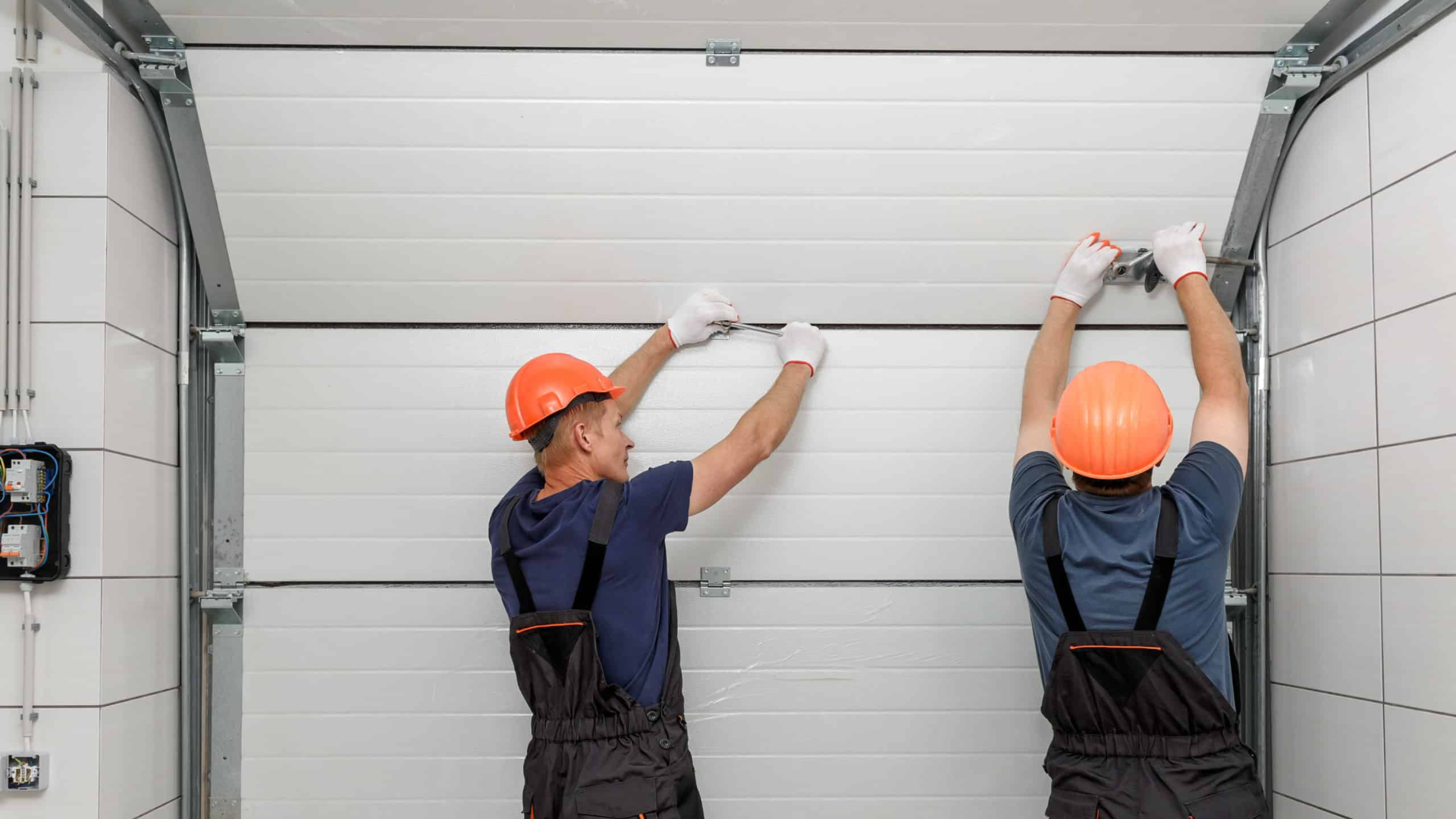
When you schedule roller repair with our team, you get a clear, step-by-step service — not guesswork. Our technicians follow a proven process every time. This keeps repairs fast, safe, and long-lasting.
Step 1: Full Safety Inspection
First, our tech inspects the entire door system before touching a single roller. This matters because worn rollers often signal other hidden problems. For example, a bent track or a failing spring can cause the same symptoms.
We check: – All rollers for cracks, flat spots, or wobble – Tracks for dents, gaps, or misalignment – Springs and cables for wear or tension issues – Hardware including hinges and brackets
If we spot related damage — like a broken spring — we’ll flag it right away. You can also explore our garage door spring repair in Portland resource for more detail.
Step 2: Roller Removal and Replacement
Next, we safely release door tension before removing the old rollers. This step is critical. A door under tension can cause serious injury if handled incorrectly.
We then install your chosen replacement rollers — whether steel, nylon, or sealed-bearing — and seat each one firmly in the track.
Step 3: Track Alignment and Lubrication
After installation, we realign the tracks to factory spec. Even a small gap can cause the door to bind or jump. Finally, we apply a professional-grade lubricant to all moving parts.
Step 4: Test and Tune
We run the door through at least 5 full open-and-close cycles. This confirms smooth, quiet operation. We also test the auto-reverse safety feature to meet UL 325 safety standards.
- Door balance is verified
- Opener force settings are adjusted if needed
- You receive a full summary of work completed
Roller Types Compared: Which Is Best for Portland-Area Homes
Not all rollers are built the same. Choosing the right type makes a real difference — especially in the Pacific Northwest, where damp winters and temperature swings put extra stress on moving parts.
| Roller Type | Tier | Typical Lifespan | Noise Level | Best For |
|---|---|---|---|---|
| Plastic | Entry-tier | 5,000–7,000 cycles | High | Temporary / budget use |
| Steel (open bearing) | Standard-tier | 10,000–15,000 cycles | Medium-High | Heavy doors, older homes |
| Nylon (sealed bearing) | Premium-tier | Up to 20,000 cycles | Low | Most Portland-area homes |
Steel Rollers
Steel rollers are the classic choice. They’re strong and handle heavy doors well. However, they run loud and can rust over time — a real concern given Portland’s rainy climate.
- Best for: Heavy commercial or older residential doors
- Drawback: Prone to corrosion without consistent maintenance
Nylon Rollers
Nylon rollers are the top pick for most Portland-area homeowners. They run quietly, resist moisture, and don’t need as much lubrication. In fact, many roller repair specialists recommend nylon as the smart upgrade during any roller service visit.
- Best for: Residential doors in wet or humid climates
- Benefit: Sealed bearings reduce friction and noise significantly
For homeowners thinking about a full upgrade, our guide on best garage door styles for Portland homes pairs well with a roller upgrade decision.
Plastic Rollers
Plastic rollers are entry-tier components, often installed on new doors to keep costs low. However, they wear out fast — sometimes within just a few years.
- Best for: Temporary or budget situations only
- Drawback: Crack easily in cold weather
For most homes in Milwaukie and the greater Portland area, nylon rollers with sealed bearings are the clear winner. They handle our wet winters, run quietly, and last longer between service calls. Also, if your door needs more than just rollers, explore our residential garage door replacement in Portland options for a full solution.
Frequently Asked Questions About Roller Repair in Milwaukie
About This Guide
This guide was researched and drafted with AI assistance, then reviewed for accuracy by the Business in your area team. Information reflects local conditions in Portland. Last updated July 2026. For questions specific to your situation, contact us directly.
Conclusion: Trusted Roller Repair in Milwaukie
Keeping your garage door running smoothly starts with healthy rollers. Worn rollers don’t fix themselves — in fact, they get worse with every cycle. Moreover, the average garage door opens and closes over 1,500 times a year, meaning even moderate wear compounds quickly.
Here’s a quick recap of what to watch for:
- Grinding or squealing during operation
- Shaking or jerking movement
- Visible cracks or flat spots on rollers
- Slow response from your opener
- Door sitting uneven in the frame
For instance, a single cracked nylon roller can throw your door off-track within days. Similarly, ignoring the issue risks damage to your tracks, springs, and opener — all of which require more extensive service.
Portland-area homes face real challenges. Wet winters, temperature swings, and coastal humidity all wear down roller materials faster than in drier climates. Our team knows these conditions well and recommends the right roller type for your specific setup.
If your door needs more than just roller work, we also handle emergency garage door repair and full residential garage door services across the area.
Ready to schedule your repair?
- Call or text our Portland service line
- Request a free inspection — we’ll diagnose the problem fast
- Get same-day or next-day service in most cases
Don’t let a noisy, sluggish door become a safety risk. Our technicians are ready to restore smooth, quiet operation to your garage — quickly and reliably.
Call us today: (503) 936-9728 Visit us: 6515 SE Sherrett St, Portland, OR 97206