
When searching for commercial garage door service Portland Oregon, business owners quickly discover that industrial door systems demand far more than residential solutions. Commercial doors operate 10-15 times daily on average—compared to 3-4 cycles for home garages—creating unique maintenance demands that can make or break your operation’s efficiency.
However, Portland’s climate adds another layer of complexity. The city’s 36 inches of annual rainfall and temperature swings from 30°F to 90°F accelerate wear on springs, tracks, and weatherstripping. In addition, businesses face strict code requirements under Oregon’s commercial building standards, making professional service essential rather than optional.
This guide walks you through everything Portland business owners need to know about maintaining, repairing, and optimizing their commercial door systems. First, we’ll explore the core service types available in the metro area. Next, you’ll discover preventive maintenance strategies that reduce emergency calls by up to 70%. Finally, we’ll cover emergency response protocols and how to select qualified contractors who understand Portland’s specific requirements.
What you’ll find in this guide:
- Service Types & Capabilities – Installation, repair, and specialized commercial solutions
- Maintenance Programs – Scheduled inspections that prevent costly breakdowns
- Emergency Response – 24/7 service protocols for urgent failures
- Choosing Providers – Licensing, insurance, and Portland-specific qualifications
- Cost Considerations – Tier-based pricing structures and budgeting strategies
- Industry Applications – Solutions for warehouses, retail, automotive, and more
Whether you manage a single loading dock or oversee multiple facilities, understanding your options helps you minimize downtime and maximize your investment. For related residential solutions, explore our guide on residential garage door replacement in Portland.
Commercial Garage Door Service Portland Oregon: Service Types & Capabilities
When evaluating commercial garage door service Portland Oregon, businesses need providers who can handle everything from routine maintenance to emergency repairs. However, not all service companies offer the same range of capabilities. Understanding what’s available helps you choose a partner who can support your operation long-term.
Core Service Categories
Professional commercial providers typically offer four main service categories. First, preventive maintenance keeps systems running smoothly through scheduled inspections and adjustments. For example, quarterly tune-ups can reduce emergency breakdowns by up to 60% according to industry data. Second, emergency repair services address urgent failures that disrupt business operations. Third, installation services handle new door systems and opener upgrades. Finally, replacement services manage worn components before they cause complete system failure.
Specialized Repair Capabilities
In addition, qualified technicians should demonstrate expertise across multiple repair types. Spring replacement requires specialized tools and safety training—torsion springs store enough energy to cause serious injury if mishandled. Meanwhile, track alignment services prevent premature wear on rollers and cables. Opener diagnostics address motor failures, sensor malfunctions, and control system issues. Furthermore, panel replacement services restore damaged sections without requiring full door replacement, which can save businesses thousands in unnecessary costs.
Advanced Service Features
Moreover, leading providers offer value-added capabilities beyond basic repairs. Remote monitoring systems alert managers to potential failures before they occur. Consequently, businesses can schedule repairs during off-hours rather than facing unexpected downtime. Some companies also provide commercial garage door track repair services that include precision laser alignment for high-cycle applications. Specifically, warehouses and distribution centers benefit from these advanced diagnostics because their doors operate 50-100 cycles daily compared to 3-5 cycles for typical retail locations.
Therefore, selecting a comprehensive commercial garage door service Portland Oregon provider means evaluating both their technical capabilities and their commitment to minimizing your operational disruptions.
Maintenance Programs That Prevent Costly Breakdowns
Investing in maintenance programs delivers measurable returns by preventing emergency failures during peak business hours. However, many facility managers still operate on a reactive model, calling for repairs only after a door stops functioning. According to the International Door Association, businesses with scheduled maintenance programs experience 60% fewer emergency service calls compared to those relying solely on reactive repairs.
Recommended Inspection Schedules
Most commercial operations benefit from quarterly inspections, though high-traffic facilities may require monthly evaluations. For example, distribution centers cycling doors 50+ times daily need more frequent attention than retail locations with moderate use.
Standard inspection frequencies include:
- Quarterly: High-traffic facilities (warehouses, loading docks, fire stations)
- Semi-annual: Moderate-use locations (retail storefronts, office buildings)
- Annual: Low-traffic applications (storage facilities, seasonal operations)
Critical Inspection Points
Professional technicians evaluate multiple failure-prone components during each visit. In addition, they document wear patterns that predict future breakdowns before they disrupt operations.
Key inspection areas include:
- Torsion springs: Check for metal fatigue, rust, and proper tension balance
- Cables and pulleys: Inspect for fraying, corrosion, and alignment issues
- Rollers and hinges: Assess wear patterns and replace before seizure occurs
- Track alignment: Measure for gaps, bends, or obstructions causing binding
- Opener systems: Test safety sensors, force settings, and emergency releases
Lubrication and Adjustment Protocols
Specifically, proper lubrication extends component life by 40-60% according to manufacturer specifications. Technicians apply silicone-based lubricants to moving parts while adjusting spring tension, track alignment, and opener force settings to factory standards.
Documentation and ROI
Maintenance programs provide detailed service records that satisfy insurance requirements and OSHA compliance audits. Therefore, businesses typically recover their maintenance investment within 18 months through reduced emergency repair costs. A standard-tier quarterly program prevents the upper-tier expenses associated with complete door replacement due to neglected maintenance issues—learn more about commercial garage door services available in your area.
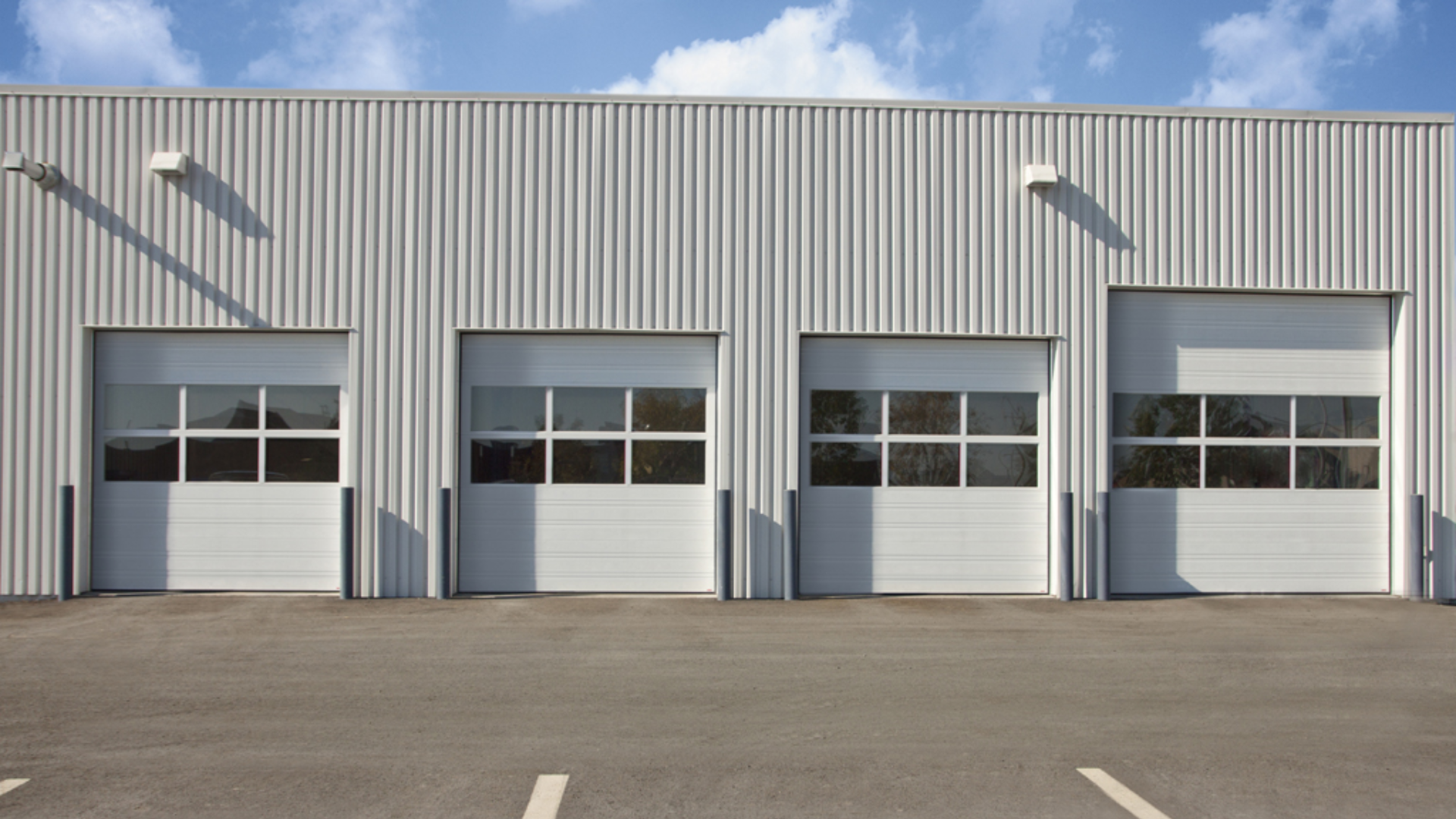
Emergency Response and 24/7 Commercial Garage Door Service Portland Oregon
When your business faces a garage door emergency, commercial garage door service Portland Oregon providers offer round-the-clock support to minimize downtime and protect your operations. However, not all emergency services deliver the same level of responsiveness or expertise. Understanding what separates reliable 24/7 providers from those who simply advertise availability can save your business thousands in lost revenue and security risks.
What Qualifies as a Commercial Garage Door Emergency
Specifically, true emergencies involve situations that compromise security, safety, or business continuity. A door stuck in the open position exposes inventory worth potentially tens of thousands of dollars to theft or weather damage. Meanwhile, a door that won’t open can trap delivery vehicles, halt loading operations, and create cascading delays throughout your supply chain.
For example, the International Door Association reports that commercial door failures cost businesses an average of $2,400 per hour in lost productivity. Therefore, emergency response becomes cost-effective when downtime exceeds even 30 minutes during peak business hours.
Common scenarios requiring immediate attention include:
- Broken torsion springs that prevent door operation entirely
- Damaged tracks or rollers causing the door to jam or fall off track
- Malfunctioning openers during critical shipping windows
- Impact damage from vehicle collisions or severe weather
- Security breaches where doors won’t close or lock properly
Response Time Standards and Service Level Expectations
In contrast to standard repair appointments, emergency commercial garage door service Portland Oregon should guarantee arrival within 60-90 minutes for metro Portland locations. Furthermore, reputable providers maintain fully stocked service vehicles with common commercial parts, eliminating delays for parts runs that can extend repairs by 3-4 hours.
Consequently, businesses should verify several key capabilities before an emergency strikes. Ask potential providers about their average response time, parts inventory depth, and technician certification levels. In addition, confirm whether they charge premium rates for after-hours service—typically 1.5x to 2x standard rates—and what payment methods they accept on-site.
Preparing Your Business for Door Emergencies
Moreover, proactive planning reduces emergency frequency and severity. Implementing quarterly professional maintenance services can identify failing components before they cause complete system failures. According to the U.S. Small Business Administration, preventive maintenance reduces emergency repair costs by 40-60% annually.
Establish relationships with qualified providers before emergencies occur. Notably, businesses with existing service agreements typically receive priority scheduling and discounted emergency rates. Keep emergency contact information posted near all commercial doors, and ensure multiple team members know how to safely disengage automatic openers if manual operation becomes necessary.
Choosing the Right Commercial Door Service Provider
Selecting the right provider requires careful vetting to protect your investment and ensure reliable performance. However, not all contractors offer the same level of expertise or accountability. Because commercial systems differ significantly from residential installations, you need a contractor who understands the unique demands of business operations.
Licensing and Insurance Requirements in Oregon
First, verify that any contractor holds a valid Oregon Construction Contractors Board (CCB) license. In Oregon, contractors performing work exceeding $1,000 must carry a CCB license number, which you can verify at oregon.gov/ccb. Additionally, reputable providers carry general liability insurance of at least $1 million and workers’ compensation coverage for all employees.
Experience and Certifications That Matter
For example, commercial door systems involve high-cycle springs, heavy-duty operators, and safety features not found in residential garages. Therefore, look for providers with:
- Industry certifications from the International Door Association (IDA) or IDEA (International Door Equipment Association)
- Manufacturer-specific training for brands like LiftMaster, Amarr, or Overhead Door
- Documented commercial experience spanning multiple property types (warehouses, retail, industrial)
Local vs National Providers
Meanwhile, local contractors typically offer faster response times and personalized service, while national chains may provide broader warranty coverage. Specifically, local providers often stock parts for regional climate conditions and understand Portland’s building codes intimately. In contrast, national companies might route your service call through distant call centers.
Essential Questions Before Hiring
Ask these questions during your initial consultation:
- How many commercial installations have you completed in the past year?
- Do you provide 24/7 emergency service for commercial garage door repairs?
- What warranties cover parts and labor?
- Can you provide references from similar businesses?
Red Flags to Avoid
On the other hand, steer clear of contractors who pressure immediate decisions, lack proper licensing, or refuse to provide written estimates. Similarly, avoid providers who cannot explain their pricing structure or offer suspiciously low bids that may indicate substandard materials.
Finally, check references and read reviews on Google, Yelp, and the Better Business Bureau. Notably, patterns in feedback reveal more than isolated complaints—look for consistent praise regarding response time, workmanship, and communication.
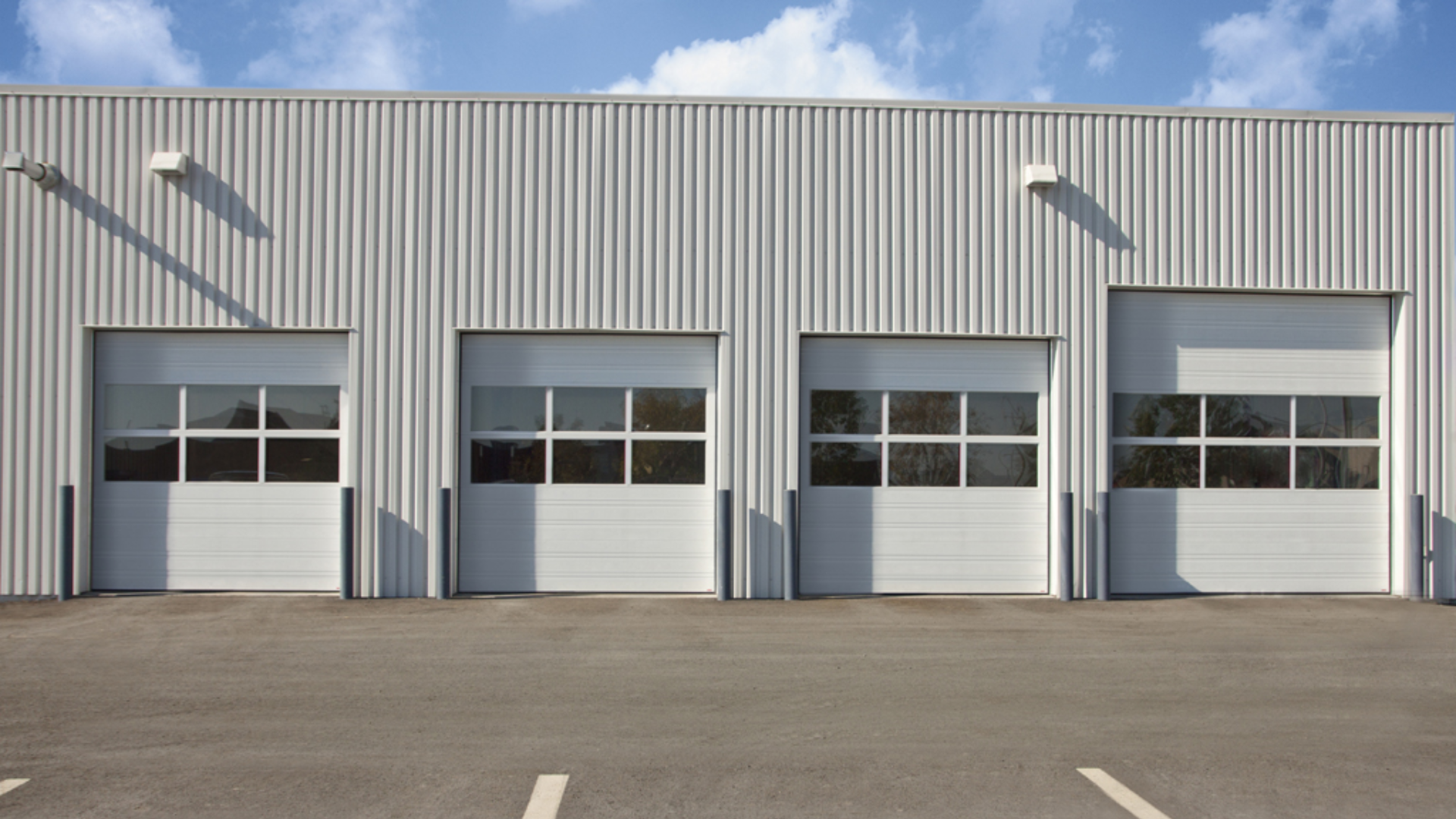
Cost Considerations and Pricing Structures
When evaluating providers, understanding pricing tiers helps you budget effectively and avoid surprises. Most contractors structure their rates based on service complexity, door type, and urgency. However, costs vary significantly depending on whether you need routine maintenance, emergency repairs, or complete system overhauls.
Service Tier Breakdown
Commercial garage door services typically fall into distinct pricing categories. Entry-tier services cover basic maintenance tasks like lubrication, visual inspections, and minor adjustments. Standard-tier work includes spring replacements, sensor alignments, and opener troubleshooting for single-door systems.
Mid-tier projects involve more complex repairs such as track realignment, panel replacement, or motor upgrades. Upper-tier services address multi-door facilities, high-cycle operators, or specialized security systems. Premium-tier work encompasses complete door replacement, custom fabrication, or facility-wide automation upgrades.
| Service Category | Typical Tier | Common Examples |
|---|---|---|
| Preventive Maintenance | Entry-tier | Quarterly tune-ups, lubrication, safety checks |
| Standard Repairs | Standard-tier | Spring replacement, sensor repair, cable adjustment |
| Complex Repairs | Mid-tier | Track replacement, panel damage, opener motor swap |
| System Upgrades | Upper-tier | High-speed door installation, security integration |
| Full Replacement | Premium-tier | Complete door systems, custom fabrication, multi-door projects |
Factors That Influence Your Final Cost
Several variables affect what you’ll ultimately pay for services. First, door size matters significantly—a standard 10×10 commercial door costs less to service than a 16×14 industrial model. According to the Bureau of Labor Statistics, skilled trades professionals in the Portland metro area earn between $75 and $150 per hour, which directly impacts labor charges.
Additionally, parts availability affects pricing. Common components like standard torsion springs or basic photo-eye sensors typically cost less than specialized high-cycle springs or proprietary operator parts. Emergency service calls outside regular business hours often carry surcharges of 50-100% above standard rates.
Smart Ways to Manage Service Expenses
For instance, scheduling preventive maintenance quarterly can reduce emergency repair frequency by up to 60%. Many Portland-area providers offer service agreements that bundle inspections, priority scheduling, and discounted repair rates. These contracts typically range from entry-tier for basic coverage to mid-tier for comprehensive plans.
Moreover, addressing minor issues promptly prevents costly escalation. A worn roller that costs standard-tier pricing to replace today might cause track damage requiring mid-tier repairs if ignored. Similarly, maintaining proper lubrication—a simple entry-tier task—extends component lifespan and delays expensive replacements.
Finally, verify that your service provider carries adequate insurance coverage. Oregon requires contractors to maintain minimum liability insurance of $500,000 for commercial work, protecting you from potential damages during repairs.
Industry-Specific Applications and Solutions
When evaluating providers, business owners quickly discover that one-size-fits-all solutions rarely meet specialized operational demands. However, understanding your facility’s unique requirements helps you select doors that maximize efficiency while minimizing downtime.
Warehouse and Distribution Center Requirements
Distribution facilities need doors that withstand constant use—often 50-100 cycles daily. High-speed roll-up doors reduce loading bay wait times by opening in 12-18 seconds compared to 30-45 seconds for standard sectional doors. In addition, insulated models maintain temperature zones critical for inventory protection, potentially saving $2,000-$4,000 annually in climate control costs according to Department of Energy studies.
Key features include:
- Heavy-duty springs rated for 100,000+ cycles
- Photo-eye sensors positioned at multiple heights for forklift safety
- Breakaway bottom sections that reset without service calls
- Wind-load ratings meeting local building codes for exposed loading docks
Retail Storefront Doors
Retail operations require doors that balance security with visual appeal. Glass-panel sectional doors showcase merchandise while closed, increasing after-hours window shopping by an estimated 23% based on retail traffic studies. Meanwhile, aluminum frames resist Portland’s moisture without the rust concerns of steel alternatives.
Automotive Service Facilities
Auto shops demand doors with specific clearances—typically 10-12 feet high for lift equipment. Powder-coated finishes resist chemical exposure from solvents and oils. For example, polyester-based coatings last 15-20 years in shop environments versus 7-10 years for standard paint.
Fire Stations and Emergency Services
Emergency facilities need doors that open in under 8 seconds with battery backup systems maintaining 72-hour operation during power outages. Commercial garage door services providers install redundant opener systems that prevent single-point failures during critical response situations.
Food Service and Cold Storage
Restaurants and food warehouses require doors meeting health department standards. Insulated doors with R-values of 16-18 maintain cold storage temperatures within FDA-required ranges (below 40°F for refrigeration, 0°F for freezing). Specifically, proper insulation reduces compressor runtime by 20-30%, extending equipment life and cutting energy costs by $150-$300 monthly for mid-sized facilities.
Stainless steel or vinyl-clad options prevent bacterial growth in high-moisture environments. In addition, rapid-close features minimize temperature fluctuations during frequent access periods.
Manufacturing Facilities
Industrial operations need doors sized for equipment movement—often 14-16 feet wide and 12-14 feet high. Wind-load ratings become critical for facilities with large bay openings exposed to Portland’s occasional 40-50 mph gusts. Reinforced track systems prevent derailment under lateral pressure.
Portland Climate Considerations for Commercial Doors
Portland’s 36-42 inches of annual rainfall demands specific weatherproofing. Galvanized or stainless steel hardware resists corrosion in the Pacific Northwest’s humid conditions. Therefore, bottom seals should use EPDM rubber rather than vinyl, which cracks in temperatures below 20°F during occasional winter cold snaps.
Powder-coated finishes outperform paint in moisture resistance, lasting 12-15 years versus 5-7 years for standard coatings. Similarly, proper maintenance services extend door life by addressing moisture-related wear before major failures occur.
Frequently Asked Questions
Get Expert Commercial Door Solutions Today
Selecting the right commercial door system protects your investment while supporting daily operations. Our team evaluates your facility’s specific requirements—from cycle counts to climate exposure—ensuring you get doors engineered for your industry’s demands.
Contact us for a facility assessment: Call (503) 894-5657 or visit our commercial services page to schedule your consultation. We serve Portland and surrounding areas with 24/7 emergency support for business-critical repairs.
Business in your area
6515 SE Sherrett St
Portland, OR 97206
(503) 894-5657
Whether you need routine maintenance, emergency repairs, or a complete door replacement, our licensed technicians deliver reliable solutions businesses trust. Learn more about our garage door repair services in Portland or explore our spring repair expertise for specialized component service.
