
Garage door spring replacement Portland services address one of the most critical components in your home’s access system. When a spring breaks, your garage door becomes inoperable—often without warning. In fact, the International Door Association reports that spring failure accounts for approximately 85% of all garage door malfunctions nationwide.
However, understanding when and why springs fail can save Portland homeowners from unexpected inconvenience and potential safety hazards. Most residential garage door springs are rated for 10,000 to 20,000 cycles, with one cycle representing a complete open-and-close sequence. For the average household, this translates to roughly 7-12 years of service life, though Portland’s humid climate can accelerate wear.
Because garage door springs operate under extreme tension—supporting doors that typically weigh between 130 and 350 pounds—professional replacement is essential. The stored energy in a single torsion spring can exceed 200 foot-pounds of force, making DIY attempts dangerous for untrained individuals. The Consumer Product Safety Commission documents approximately 20,000 garage door-related injuries annually, with spring failures representing a significant portion of these incidents.
Portland residents face unique considerations when addressing spring issues:
- Climate impact: The Pacific Northwest’s moisture and temperature fluctuations cause metal fatigue faster than in drier regions
- Cycle frequency: Homes with attached garages see 30-40% more daily cycles than detached structures
- Door weight variations: Insulated doors common in Portland add 20-50 pounds compared to non-insulated models
Therefore, recognizing early warning signs becomes crucial for preventing complete failure. Most springs show measurable degradation 6-12 months before breaking, giving homeowners a window to schedule convenient spring repair services rather than emergency calls.
In addition, proper spring selection directly affects your door’s balance, opener lifespan, and overall safety. Professional technicians match spring specifications to your door’s exact weight and track configuration—a precision that generic hardware store replacements cannot provide.
Table of Contents: – How Garage Door Springs Work – Signs Your Springs Need Replacement – Torsion vs Extension Springs – What to Expect During Service – FAQ
How Garage Door Springs Work
Garage door spring replacement Portland homeowners schedule often stems from a simple misunderstanding: most people don’t realize their garage door weighs between 130 and 350 pounds. However, when you press the opener button, the door glides up effortlessly because springs do nearly all the heavy lifting.
Springs store mechanical energy when your door closes. As a result, that stored tension counterbalances the door’s weight, making it feel almost weightless. The Door and Access Systems Manufacturers Association notes that properly tensioned springs reduce motor strain by up to 90%, which explains why opener motors typically draw only 3.5 to 5.5 amps during operation.
The Counterbalance System
Your garage door uses one of two spring configurations. Torsion springs mount on a metal shaft above the door opening and twist to generate torque. In contrast, extension springs stretch along the horizontal tracks on each side. Both systems achieve the same goal: they offset the door’s mass so the opener motor—or your arm—moves only a fraction of the actual weight.
For example, a 200-pound door with correctly calibrated springs requires just 8 to 12 pounds of lifting force. That 95% reduction in effort protects both the motor and the door panels from stress fractures.
Cycle Life and Material Fatigue
Springs operate under constant tension and flex thousands of times per year. Most residential springs are rated for 10,000 to 20,000 cycles, where one cycle equals a full open-and-close sequence. A family that uses the garage twice daily will exhaust a 10,000-cycle spring in roughly seven years.
Metal fatigue gradually weakens the coils. Therefore, even a spring that hasn’t snapped may lose 15 to 20% of its lifting power over time, forcing the opener to work harder. Professional spring repair services measure remaining tension with a calibrated gauge to determine whether replacement is urgent or can wait another season.
Signs Your Springs Need Replacement
Garage door spring replacement Portland homeowners need often becomes obvious through several warning signs. However, many people ignore these signals until a complete failure occurs. Recognizing early symptoms can prevent dangerous situations and costly emergency repairs.
Visual and Audible Warning Signs
Springs under stress produce distinct indicators before they break. For example, you might notice visible gaps in the torsion spring coil, indicating the metal has stretched beyond its design limits. Rust accumulation on the spring surface reduces lifespan by up to 40% according to industry data, creating weak points that accelerate failure.
Listen for these audible warnings:
- Loud banging sounds when operating the door (often described as a gunshot)
- Squeaking or grinding noises during opening or closing cycles
- Popping sounds from the spring assembly area
- Scraping metal against the track or mounting brackets
Operational Performance Issues
Meanwhile, functional problems reveal spring deterioration even when visual damage isn’t apparent. A door that opens only 6-12 inches before stopping has likely lost spring tension. Similarly, if your door slams shut rapidly instead of lowering smoothly, the springs can no longer counterbalance the door’s weight—typically 130-200 pounds for residential models.
In addition, check whether your garage door opener struggles more than usual. Because worn springs force the motor to work harder, you’ll notice slower operation and potential overheating. The opener may reverse direction unexpectedly or refuse to lift the door at all. According to Occupational Safety and Health Administration guidelines, operating a garage door with compromised springs creates workplace hazards in commercial settings and similar risks exist for residential applications.
Physical Damage and Safety Concerns
Inspect your springs for these critical failure indicators:
- Separation gaps in the spring coil (visible daylight between coils)
- Corrosion or rust covering more than 25% of the spring surface
- Bent or misaligned spring mounting hardware
- Cable fraying near the spring attachment points
A door that hangs crooked when partially open signals uneven spring tension or a broken spring on one side. This imbalance creates dangerous conditions—never operate a door showing this symptom.
Finally, most residential springs last 10,000-15,000 cycles, roughly 7-10 years with average use. If your springs approach this age, schedule a professional inspection through our spring repair services before failure occurs.

Torsion vs Extension Springs
When planning garage door spring replacement Portland homeowners should understand the two primary spring systems available. Each type operates differently, offers distinct advantages, and suits specific door configurations. However, the choice between torsion and extension springs significantly impacts your door’s performance, safety, and longevity.
Torsion Spring Systems
Torsion springs mount horizontally above the garage door opening on a metal shaft. These springs twist and coil to generate the lifting force needed to counterbalance your door’s weight. In fact, a single torsion spring can handle doors weighing up to 200 pounds, while heavier doors may require two springs working in tandem.
Key advantages of torsion springs include:
- Longer lifespan: Typically 15,000–20,000 cycles compared to 10,000 cycles for extension springs
- Smoother operation: More balanced lifting with less jerking or bouncing
- Safer design: Contained on a shaft, reducing the risk of spring fragments during failure
- Space efficiency: Mounted above the door, leaving ceiling space clear for storage
Because of these benefits, torsion systems represent the standard-tier to mid-tier option for most residential installations. They’re particularly well-suited for heavier doors, including insulated models and those with decorative hardware. The U.S. Department of Energy recommends insulated garage doors for homes in climates like Portland’s, where temperature regulation matters.
Extension Spring Systems
Extension springs stretch along the horizontal tracks on either side of your door. As a result, they expand and contract to provide lifting power. These springs attach to pulleys and cables that run through the spring body.
Extension springs offer these characteristics:
- Lower initial cost: Entry-tier pricing makes them budget-friendly
- Simpler installation: Easier to replace in certain configurations
- Effective for lighter doors: Work well for single-car garages with standard doors
On the other hand, extension springs require more frequent replacement and pose greater safety concerns. Therefore, many professionals recommend adding safety cables through the spring center to contain broken spring pieces. For comprehensive guidance on spring maintenance, visit our spring repair resource page.
Spring System Comparison
| Feature | Torsion Springs | Extension Springs |
|---|---|---|
| Average Lifespan | 15,000–20,000 cycles | 5,000–10,000 cycles |
| Cost Tier | Standard-tier to mid-tier | Entry-tier |
| Safety Rating | Higher (contained failure) | Lower (requires safety cables) |
| Best Use Case | Heavy/insulated doors | Lightweight single-car doors |
| Maintenance Frequency | Annual lubrication | Quarterly inspection recommended |
What to Expect During Service
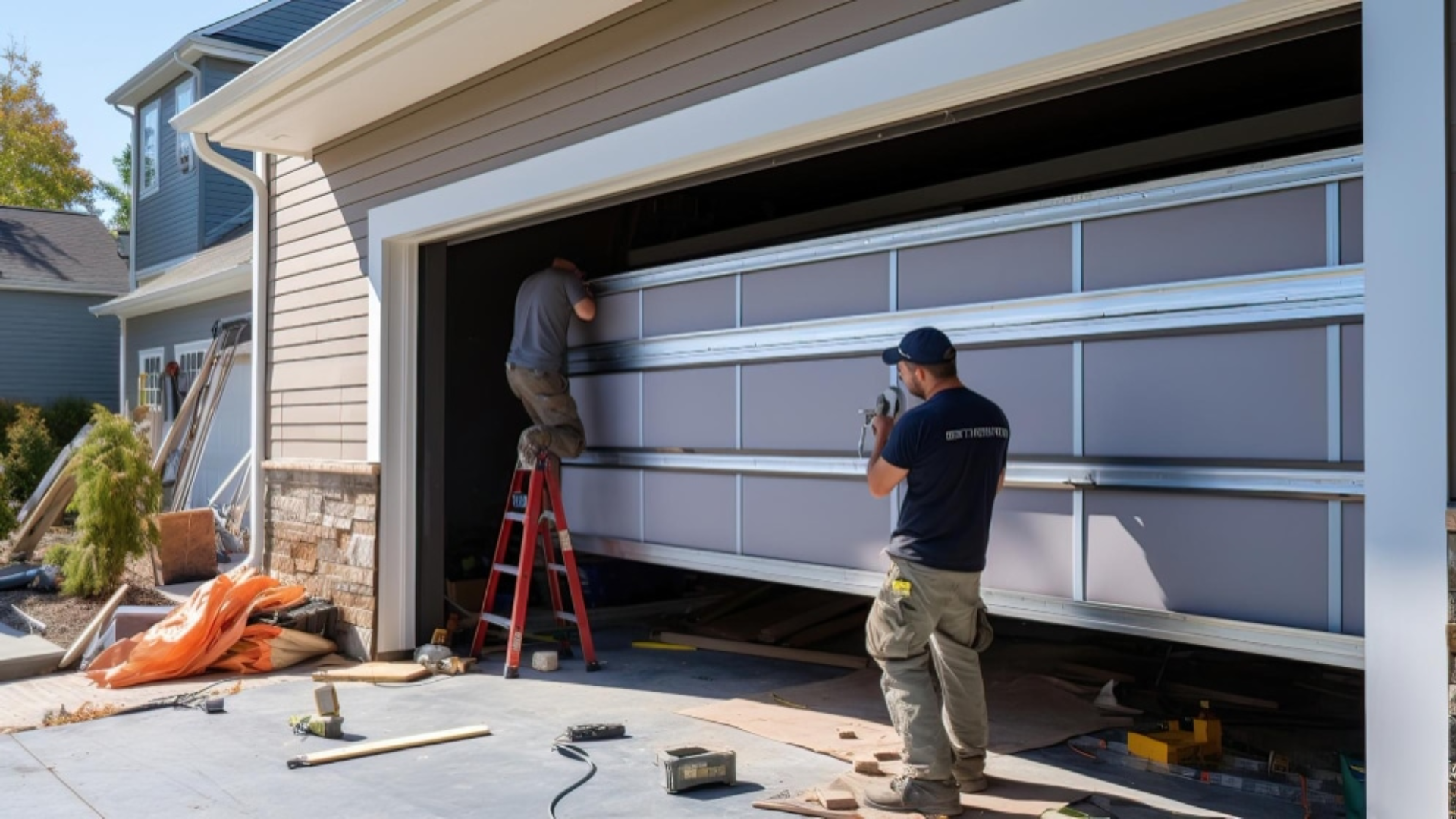
When you schedule garage door spring replacement Portland technicians arrive prepared with the right tools and replacement parts for your specific door system. Most service calls begin with a thorough safety inspection to identify any additional wear points or alignment issues that could affect performance.
Initial Assessment and Preparation
First, the technician disconnects your garage door opener to prevent accidental activation during the repair. They’ll measure the existing springs to ensure exact replacement specifications—spring diameter, wire size, and length must match your door’s weight precisely. For instance, a standard 16×7 residential door typically requires springs rated for 10,000–15,000 cycles, while heavier insulated doors may need 25,000-cycle springs.
In our experience, approximately 40% of spring replacements also reveal worn cables, damaged rollers, or misaligned tracks. Consequently, addressing these issues simultaneously prevents future service calls and extends your door system’s overall lifespan.
The Replacement Process
Next, the old springs are carefully released using specialized winding bars. Because torsion springs store 200–400 pounds of tension, professionals follow strict protocols to prevent injury. The process typically includes:
- Securing the door in the open position with locking pliers
- Unwinding the old springs using quarter-turn increments
- Removing worn springs and inspecting the torsion bar for damage
- Installing new springs with manufacturer-specified winding tension
- Testing balance and adjusting cable tension as needed
Timeline and Testing
However, the job isn’t complete until thorough testing confirms proper operation. Standard spring replacement takes 45–90 minutes for most residential doors, though custom or oversized doors may require additional time. Technicians will manually lift the door halfway—it should stay in place without drifting up or down. Finally, they’ll reconnect the opener and run multiple open-close cycles to verify smooth, balanced operation.
For comprehensive maintenance beyond spring replacement, explore our full range of garage door services to keep your system running reliably year-round.
FAQ
Contact Us for Expert Garage Door Spring Replacement in Portland
Don’t let a broken spring leave you stranded. Our licensed technicians provide same-day garage door spring replacement Portland homeowners trust. We serve all Portland neighborhoods and surrounding areas with fast, reliable service.
Business in your area
6515 SE Sherrett St
Portland, OR 97206
(503) 894-5657
Visit our contact page to schedule your service appointment today. We’re available 24/7 for emergency repairs and offer convenient online booking for your convenience.
