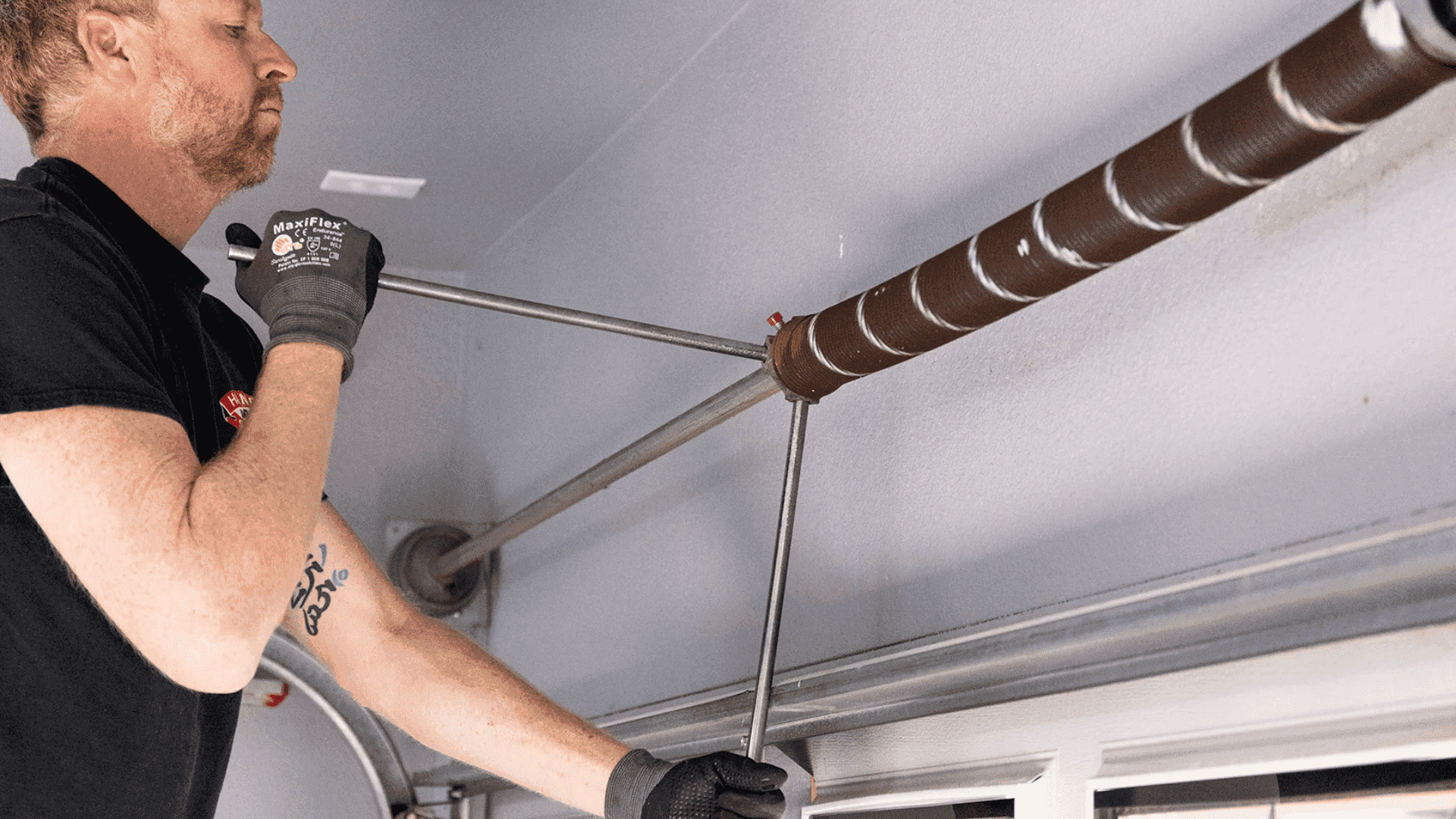
If you’re searching for garage door opener repair Vancouver WA, you’re likely dealing with a door that’s slow, noisy, or completely unresponsive. A failing opener rarely breaks down all at once — it sends small warning signals first, and knowing those signals is the fastest path to a same-day fix.
A malfunctioning garage door is one of the most common home safety hazards. The U.S. Consumer Product Safety Commission reports thousands of garage door-related injuries each year, many linked to outdated or failing openers. Acting at the first sign of trouble protects both your family and your home.
The good news? Most opener problems are fixable in a single service visit by a local technician.
5 Warning Signs You Shouldn’t Ignore
Your opener will often tell you it’s struggling before it quits completely. Watch for these five key red flags:
- Slow or jerky movement — the door hesitates or stutters when opening or closing
- Grinding or straining noises — unusual sounds from the motor or drive system
- Remote or keypad failures — the door doesn’t respond on the first try
- Partial opening or closing — the door reverses before completing its cycle
- Vibrating or shaking motor unit — loose hardware or worn internal parts
The Pacific Northwest climate plays a real role here. Cold, wet winters in Vancouver cause metal components to contract and lubricants to thicken. As a result, openers work harder during colder months and wear out faster than they would in milder climates.
Also, older openers — especially those made before 1993 — lack modern auto-reverse safety features required by federal safety standards. These units pose a genuine risk to children and pets. In our experience, homeowners with openers older than 12 years are the most likely to face sudden, complete failures.
For a deeper look at related issues, check out our guide on common garage door opener problems, causes, and fixes.
How Vancouver WA Opener Repair Works
Understanding the repair process helps you know exactly what to expect. A trained technician follows a clear, step-by-step approach to find and fix the problem fast.
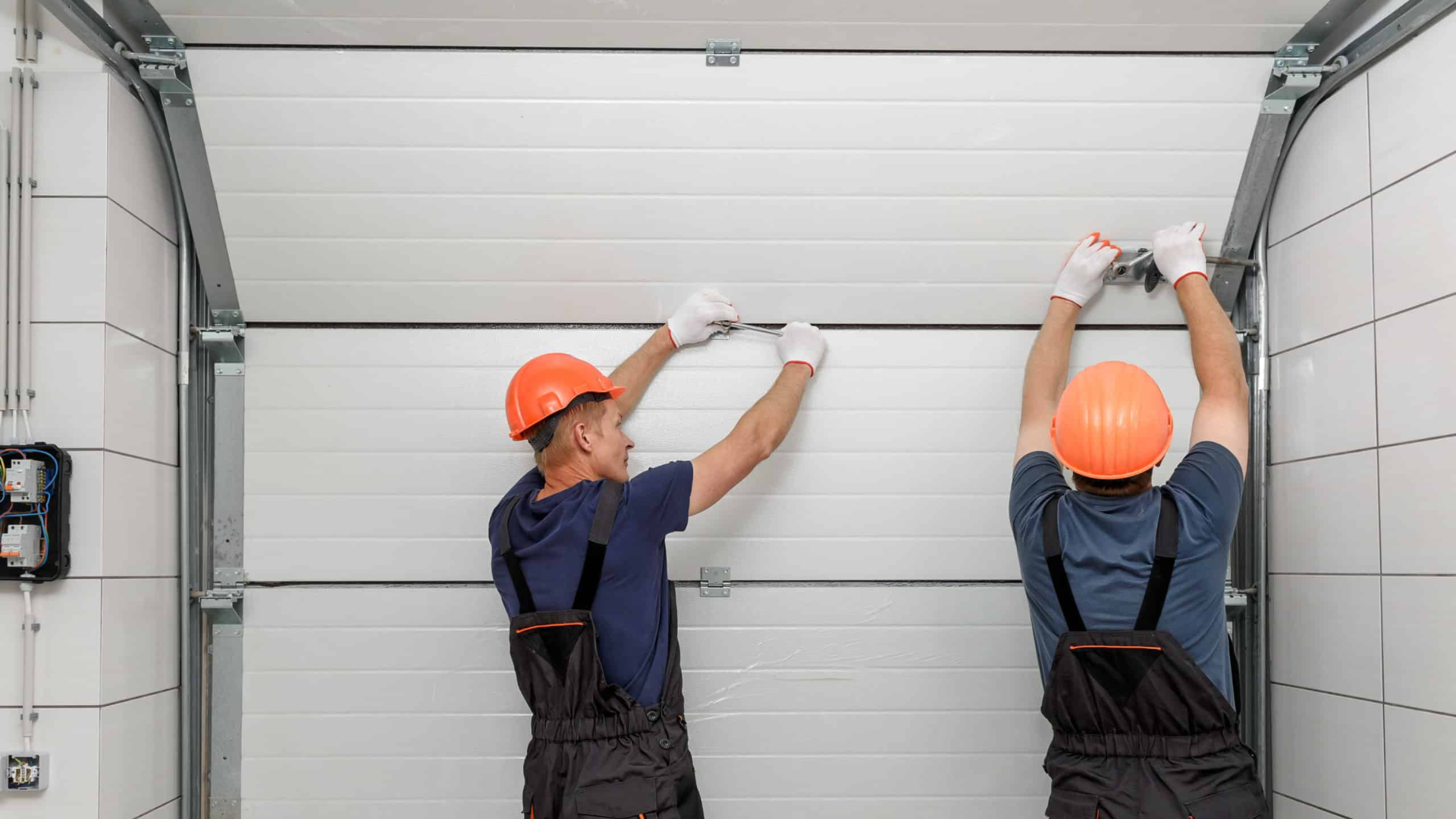
First, the technician inspects the full opener system. This includes the motor unit, drive mechanism, safety sensors, and wall controls. Because many issues share similar symptoms, a thorough check prevents misdiagnosis and unnecessary part replacements.
The tech will also test:
- Remote and keypad signals for range and response
- Safety reversal sensors for proper alignment (required by UL 325 safety standards)
- Drive belt, chain, or screw for wear or slack
- Limit and force settings for correct travel distance
Next, the technician replaces or adjusts any faulty components. Common fixes include swapping out a burned motor, replacing a stripped gear, or realigning sensors. Finally, the tech runs a full cycle test to confirm the door opens, closes, and reverses correctly on contact.
Most repairs wrap up in one to two hours. Key factors that affect repair time include the brand and model of the opener, the age of the unit, and local parts availability. Because Vancouver-area technicians stock common parts on their service vehicles, same-day repairs are frequently possible.
For related residential garage door services, local pros handle everything from tune-ups to full replacements.
Common Opener Problems and Fixes
Most opener issues fall into a few clear categories. Spotting them early saves both time and money.
The opener won’t respond. First, check the basics. Dead remote batteries cause a significant portion of all “no response” calls. Also, a tripped circuit breaker or unplugged power cord is often the real culprit. Try these steps:
- Replace remote batteries and retest
- Check the outlet and reset the power cord
- Reset the circuit breaker at your electrical panel
- Remove nearby LED bulbs that can block radio frequencies
The door reverses before closing. Specifically, dirty or misaligned photo-eye sensors are the most common cause. The sensors sit about 4–6 inches off the ground on each side of the door. Wipe the lenses with a dry cloth, realign both sensors until the indicator lights are solid, and remove any objects blocking the beam path. However, if the door still reverses, the close-limit setting may need adjustment.
Grinding or straining sounds. In fact, a grinding noise almost always points to worn drive gears or a dry chain or belt. Lubrication fixes many cases. According to the International Door Association, annual maintenance significantly reduces opener breakdowns and extends system life.
Keypad or wall button not working. Check wiring connections at the wall button terminal. Test with the remote — if the remote works, the wall button wiring is likely faulty. Reset the keypad code using your opener’s learn button.
Finally, a motor that hums but won’t move usually signals a broken torsion spring — not the opener itself. Always rule out garage door spring issues before replacing the motor unit.
Opener Repair vs. Replacement: Making the Right Call
Knowing when to repair versus replace your opener saves time and money. However, the decision isn’t always obvious.
When repair makes sense. Most opener issues don’t require a full replacement. Consider repair when the unit is less than 10 years old, a single component has failed, or remote and keypad connectivity is the only issue. For example, a stripped drive gear is a standard-tier fix that restores full function quickly.
When replacement is the smarter move. The International Door Association notes that most residential openers last 10–15 years under normal use. Replace your opener when:
- The unit is over 12–15 years old
- It lacks modern safety features like auto-reverse
- You want smart-home integration or battery backup
- Noise and vibration persist after multiple repairs
Repair vs. Replacement at a Glance
| Factor | Repair | Replace |
|---|---|---|
| Opener age | Under 10 years | Over 12–15 years |
| Issue scope | Single component | Multiple failures |
| Safety features | Present | Missing (pre-1993) |
| Smart features | Not needed | Desired |
| Repair frequency | First or second issue | Recurring problems |
| Cost-efficiency | Entry- to mid-tier fix | Long-term savings |
A qualified technician can assess your unit honestly and recommend the right option — no guesswork needed. Also, if you’re considering a full upgrade, explore our new garage door installation options for a complete system refresh.
Service Tiers and What Each Covers
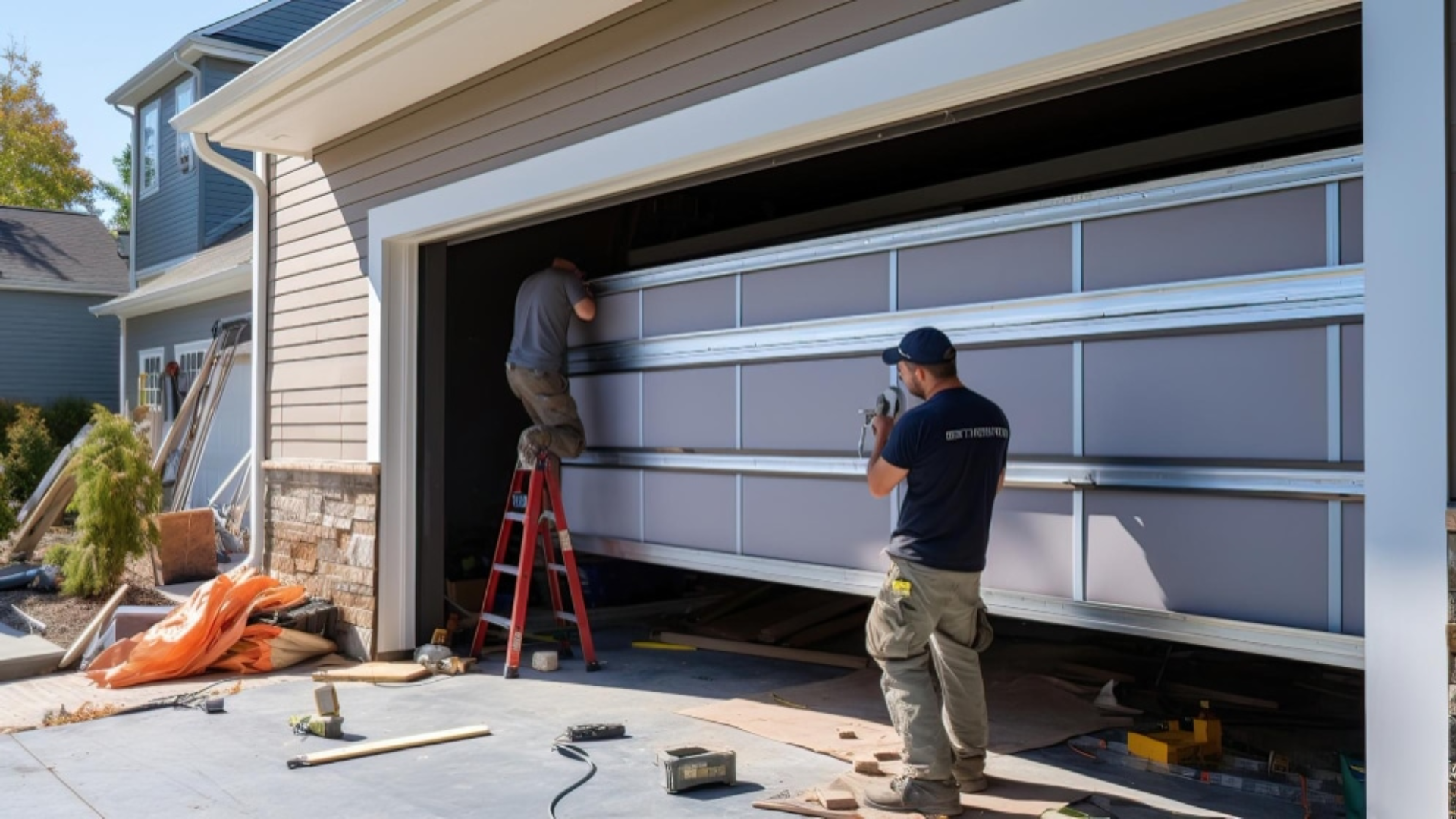
Not every opener problem requires the same level of service. Understanding the tiers helps you set expectations before the technician arrives.
| Service Tier | Typical Scope | Best For |
|---|---|---|
| Entry-tier | Remote reprogramming, sensor cleaning, limit adjustment | Minor issues on newer openers |
| Standard-tier | Gear replacement, logic board swap, cable repair | Mid-age openers with single-component failure |
| Mid-tier | Full drive system overhaul, motor replacement | Older openers with multiple worn parts |
| Premium-tier | Complete opener replacement with smart features | Units over 12 years old or lacking safety features |
Entry-tier and standard-tier repairs cover the majority of service calls. Moreover, most same-day appointments fall into these two categories because parts are commonly stocked on service vehicles.
However, premium-tier replacements deliver the most long-term value when an opener is nearing the end of its useful life. Newer units with DC motors, battery backup, and Wi-Fi controls operate more quietly and reliably than older chain-drive models.
For more information on what a full installation involves, see our garage door installation services. Additionally, our emergency garage door repair service is available for urgent situations that can’t wait for a scheduled appointment.
Why Choose a Local Pro in Vancouver
Hiring a local technician makes a real difference. Local pros know the area’s climate, common door brands, and building codes — so they solve problems faster and more accurately.
A broken opener can trap your car inside or leave your home unsecured. Local technicians typically respond the same day. Fast response matters because security risks increase every hour your door won’t close, and weather exposure can damage belongings stored in your garage.
Local pros also stock parts that fit the most popular opener brands in the Pacific Northwest. As a result, they rarely need to order components and wait days for delivery. They also understand Washington State contractor licensing requirements, so you know the work is done legally and safely.
Key reasons to go local:
- Faster same-day response times
- Familiarity with regional brands and parts
- Licensed and insured under Washington State rules
- Easier follow-up if issues return
In our experience, homeowners who build a relationship with a trusted local technician avoid the most stressful emergency situations. A local business depends on its community reputation — strong motivation to do the job right the first time.
FAQ: Garage Door Opener Repair Vancouver WA
About This Guide
This guide was researched and drafted with AI assistance, then reviewed for accuracy by the Business in your area team. Information reflects local conditions in Portland. Last updated July 2026. For questions specific to your situation, contact us directly.
Ready to Fix Your Opener? Contact Us Today
When your opener is acting up, don’t wait for a complete failure. A slow, noisy, or unresponsive opener is a safety risk — and a fast fix is usually available the same day you call.
Throughout this guide, we covered the key steps to getting your opener back in shape: warning signs like grinding noises and random reversals, common fixes for sensors and drive systems, and how to decide between repair and replacement.
In our experience, most opener issues are resolved in a single visit when homeowners act on the early warning signs. Moreover, the Consumer Product Safety Commission notes that garage doors are one of the most frequently used home systems — and regular maintenance is the single best way to prevent costly breakdowns.
If your opener is beyond repair, explore our new garage door installation options to upgrade your whole system.
Contact us today:
- Phone: (503) 936-9728
- Address: 6515 SE Sherrett St, Portland, OR 97206
- Request a free diagnostic — no pressure, no surprises
- Ask about warranties on parts and labor