
When you need garage door cable repair Forest Grove residents trust, understanding why cables fail is the first step. Cables are the unsung heroes of your garage door system — they work with the springs to lift and lower hundreds of pounds of door, safely and quietly.
However, most homeowners never think about cables until something goes wrong. A snapped or frayed cable can leave your door stuck, off-track, or worse — a safety hazard for your family. Fortunately, knowing the warning signs and repair process puts you in control.
Why Garage Door Cables Fail
In our experience, cable failure is almost always preventable when caught early. Your garage door uses two steel lift cables — each one runs from the bottom bracket up to a drum near the spring system. When the door opens, the cables wind around the drum; when it closes, they unwind.
The tension involved is enormous. According to the International Door Association, residential garage doors are among the heaviest moving objects in a home. Specific conditions cause cables to wear out faster:
- Rust and corrosion — Oregon’s wet climate accelerates metal fatigue
- Fraying — repeated friction against the drum groove weakens strands over time
- Improper tension — often caused by a broken or worn spring
- Age — cables wear out after years of daily use
- Bottom bracket damage — a bent bracket puts uneven stress on the cable
In addition, cables can snap suddenly if the door is forced open manually while the spring is broken. This is one of the most dangerous DIY mistakes homeowners make. Therefore, acting quickly at the first sign of trouble protects both your family and your investment.
Warning Signs You Need Cable Repair in Forest Grove
Catching problems early saves you time and money. In fact, most cable failures give clear warning signs before a full breakdown happens. In our experience, homeowners who act on the first sign of trouble avoid far more complex repairs down the road.
Watch for these red flags:
- Slack or loose cables — Cables should always be taut. If you see loops or sagging near the bottom of the door, stop using it immediately.
- Frayed or kinked wires — Even one broken strand is a serious hazard. OSHA classifies frayed cables on high-tension systems as an immediate danger.
- Door opens unevenly or tilts — One side rising faster than the other almost always points to a cable problem.
- Grinding or snapping sounds — These noises often mean a cable is about to break.
- Door stuck at the bottom — A snapped cable leaves the door completely inoperable.
Also, check the cable drums near the top corners of your door. Rust or visible wear on the drum grooves means the cable is under uneven stress. According to the U.S. Consumer Product Safety Commission, garage doors are among the leading sources of home injury when operated unsafely — so never ignore these warning signs.
For related issues that can mimic cable problems, see our guide on garage door repair signs.
The Cable Repair Process Step by Step
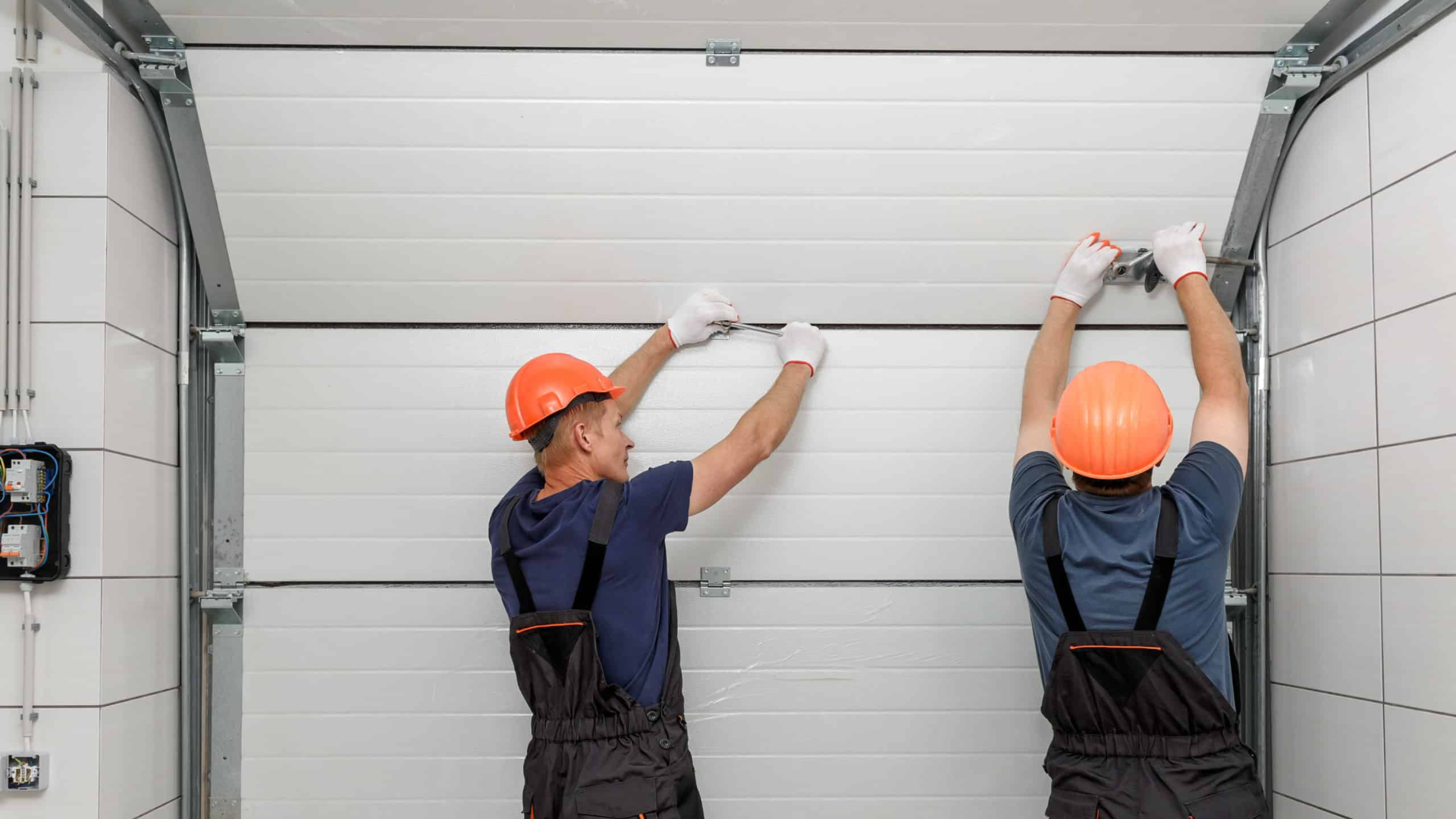
Knowing what happens during a professional cable repair helps you feel confident when a technician arrives. The process is straightforward, but it requires skill and the right tools. In our experience, most residential cable repairs follow these six steps and take one to two hours to complete.
- Safety disconnect — The technician disconnects the opener and secures the door to prevent movement during repair.
- Full inspection — The tech examines cables, drums, springs, and pulleys. Because cables rarely fail alone, checking related parts is essential.
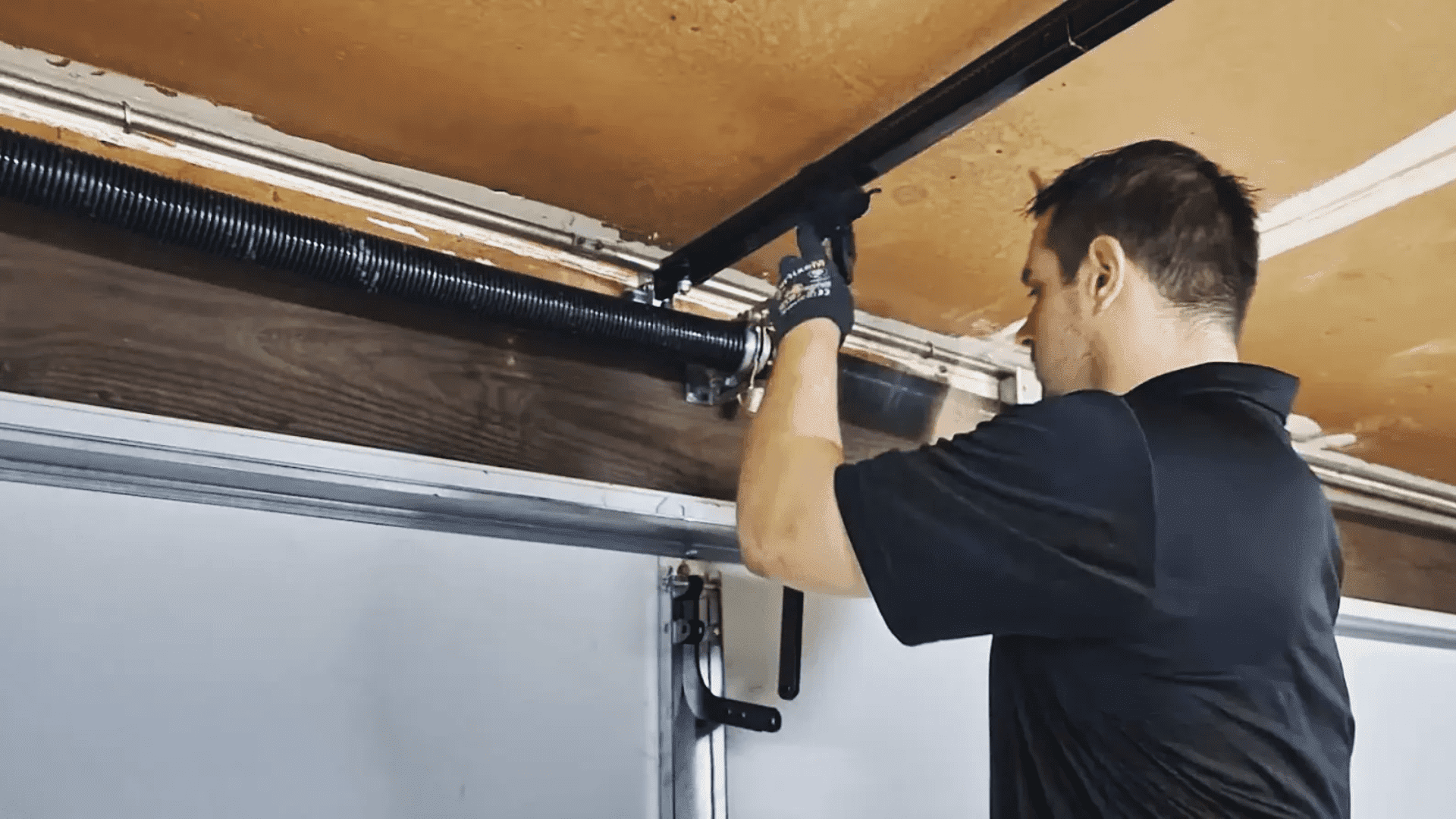
- Tension release — The technician carefully releases spring tension before removing any hardware. Torsion springs store enormous force — this step requires professional training.
- Cable removal and replacement — Old or broken cables are removed. New cables are threaded through the bottom bracket and wound onto the drum.
- Tension reset — Springs are re-tensioned to match the door’s weight. Precise calibration ensures the door balances correctly on both sides.
- Safety test — Finally, the technician runs the door through several open-and-close cycles, checking balance and alignment.
For doors that go off-track during a cable failure, our garage door off-track repair guide covers what to do next. Similarly, it’s smart to check your springs during this visit — cables and springs work as a team, so wear on one signals stress on the other.
Repair vs. Replacement: Making the Right Call
Knowing when to repair versus replace is one of the most practical decisions a homeowner faces. In most cases, cable repair is the right choice — it’s faster, less disruptive, and keeps costs at an entry-tier or standard-tier level. However, some situations call for a full cable replacement.
Repair is typically the best option when only one cable has snapped or frayed, the drum and pulley hardware are in good condition, and your door is less than 10–12 years old. Catching a problem early almost always means a simpler fix — don’t wait until a frayed cable snaps completely.
On the other hand, consider full cable replacement when both cables show visible fraying or rust, the door is older with other worn parts, or you’ve had repeated cable failures within a short period. Because cables wear at similar rates, replacing just one often means the other fails within months. Replacing both at once avoids a second service call and is more cost-efficient overall.
Cables and springs work as a system. If your springs are also worn, addressing both together is more efficient. Similarly, if panels are damaged, it may be worth reviewing your full door repair options before committing to a partial fix.
Cable Repair Costs and Service Tiers
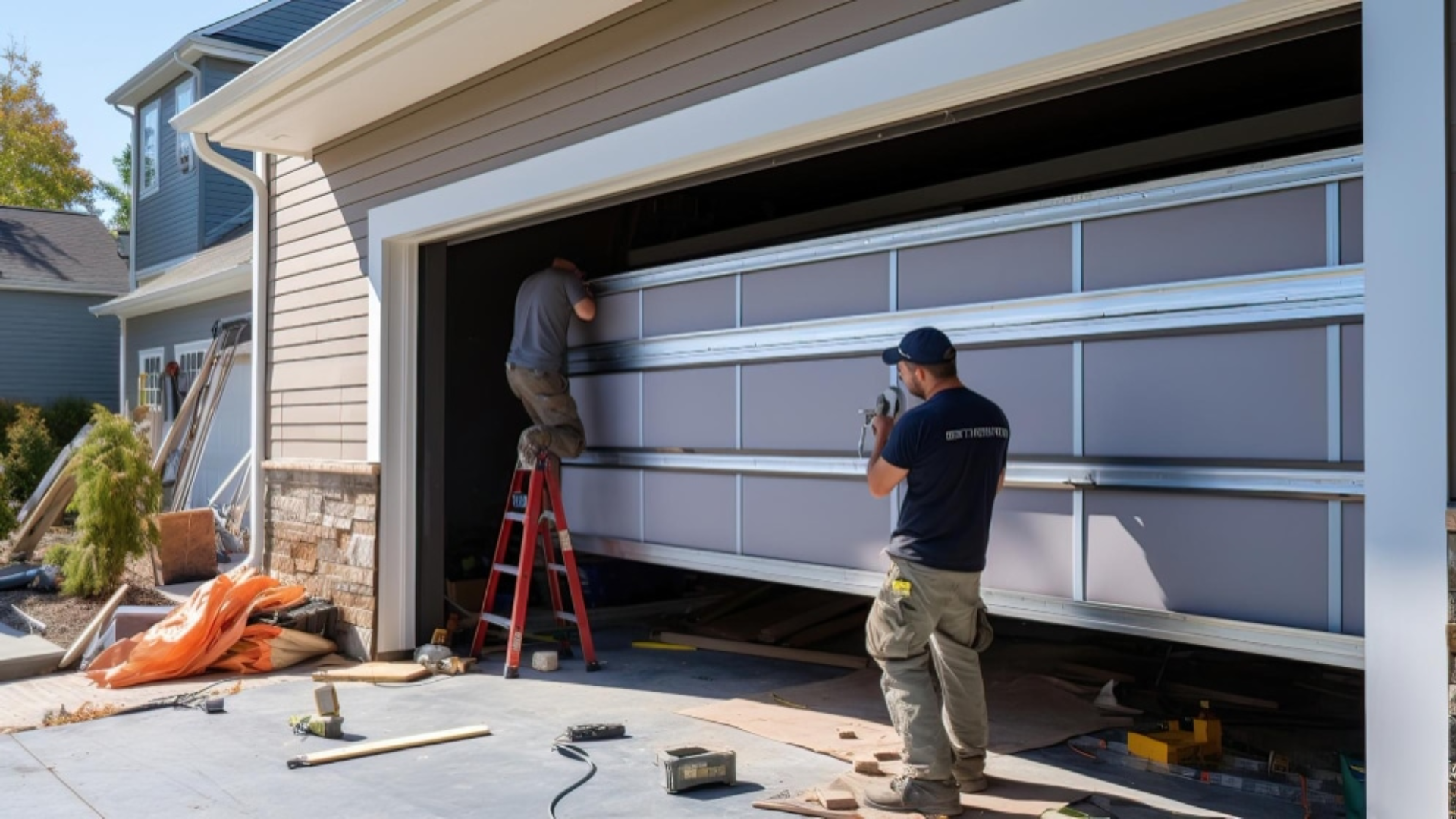
Service costs vary based on damage type, cable material, and labor complexity. Knowing the tiers helps you plan ahead and avoid surprises. In our experience, most residential jobs fall into the standard-tier or mid-tier range.
| Service Tier | Scope of Work | Value Description |
|---|---|---|
| Entry-tier | Single cable reattachment or minor tension adjustment | Quick fix for minor issues on newer doors |
| Standard-tier | Full cable replacement on one side, hardware inspection | Most common repair for residential doors |
| Mid-tier | Both cables replaced with upgraded galvanized steel, pulley and drum check | Best value for aging doors with dual wear |
| Upper-tier | Complete cable system overhaul, paired with spring or track work | Comprehensive fix for complex or neglected systems |
Several factors push a job from one tier to the next. For example, a heavier double-wide door requires thicker, longer cables. In addition, emergency or same-day service typically adds to the total. Key cost factors include door weight and size, cable material, garage accessibility, and whether cables and springs are repaired together.
Notably, cables and springs are a team. If your springs are worn, replacing cables alone may only delay another service call. Learn more at our broken garage door spring repair Oregon City page. For regional context, also see our guide on garage door repair costs in Portland. Always ask for a written estimate before work begins — a reputable technician will inspect the full cable system before quoting a tier.
FAQ
About This Guide
This guide was researched and drafted with AI assistance, then reviewed for accuracy by the Portland Garage Door Repair team. Information reflects local conditions in Portland. Last updated July 2026. For questions specific to your situation, contact us directly.
Get Started with Expert Cable Repair
Cable problems rarely fix themselves. In fact, small frays become full breaks fast — especially in Oregon’s wet, cold winters. Acting early keeps repair costs at the entry-tier to standard-tier range, while waiting often pushes the job into upper-tier or premium-tier territory.
Here’s how to get started in 3 simple steps:
- Call or contact us — Reach our Portland-based team to describe your issue and schedule a visit.
- Get a written estimate — A technician inspects your full cable system and provides a clear, upfront quote by service tier.
- Get your door repaired — Most jobs complete in a single visit, restoring safe, smooth operation the same day.
Furthermore, always hire a qualified local professional. A skilled technician brings the right tools, correct cable gauges, and safety training to every job. Your door — and your family — deserve nothing less.
Contact our Portland-based team today:
- Phone: (503) 936-9728
- Address: 6515 SE Sherrett St, Portland, OR 97206
